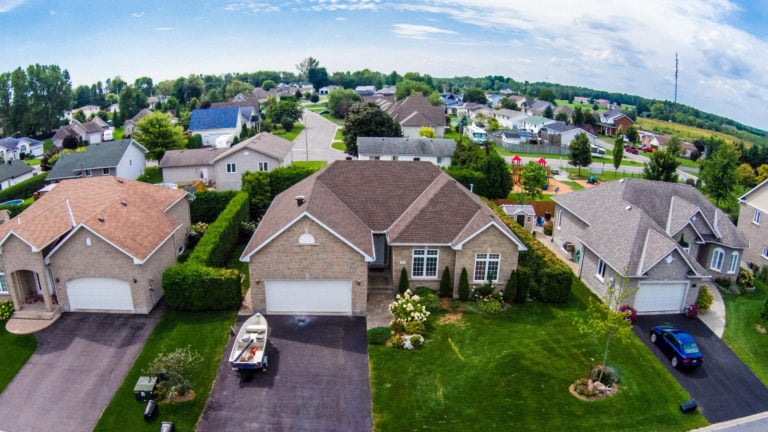
While interest rate hikes are intended to ease price levels, they have a somewhat mixed effect on housing market affordability. Currently, would-be home buyers are getting the short end of the stick despite falling housing demand. Indeed, even after Federal Reserve’s first few rounds of interest rate hikes, home prices are still rapidly increasing.
Higher interest rates are intended to ease price levels in the country. Everything else equal, raising interest rates should lower the aggregate demand for goods in the U.S. and simultaneously reduce the supply of cash circulating in the economy. In theory, this should have a cooling effect across the markets, easing inflation and increasing consumers’ buying power.
The housing market is a bit more complicated. Home prices are unlikely to drop in the U.S. even given several more impactful interest rate hikes. The current supply of housing is far below ordinary levels — so much so that even drastic efforts to lower demand are unlikely to fully rebalance the scale. Rather, most economists believe falling home demand, as a product of high borrowing rates, will slow the housing market’s price growth rather than drag home costs down.
Unfortunately, while easing price growth may be encouraging to some aspiring home owners, it comes with a hefty burden.
Soaring Mortgage Rates Only Hurt Housing Market Affordability
Attempting to lower prices via raising lending rates is something of a Catch-22. While higher rates will reduce demand for homes, thereby putting downward pressure on prices, most homebuyers purchase homes via debt. The mortgage is still most Americans’ best hope of owning a home, and paying more in interest payments will likely outweigh any benefit that easing price growth may yield.
30-year fixed mortgage rates are already at their highest level since 2008, currently hovering around 6.5%. With another 75 basis-point interest rate hike expected in July and smaller hikes planned for the rest of the year, mortgage rates will only continue to climb.
As the Fed has repeatedly iterated, lowering inflation is the foremost priority of the central bank — and for good reason. Rampant inflation is an almost unparalleled burden on a country. As price levels rise, consumers’ money effectively loses some of its value.
For the housing market, however, there is seemingly little in terms of a solution for shortages other than to build more homes. Interest rate hikes may offer some long-term relief on price growth, but they come with tradeoffs that are unjustifiable to some.
On the date of publication, Shrey Dua did not hold (either directly or indirectly) any positions in the securities mentioned in this article. The opinions expressed in this article are those of the writer, subject to the InvestorPlace.com Publishing Guidelines.


